ACHIEVEMENTS
Campaign Story
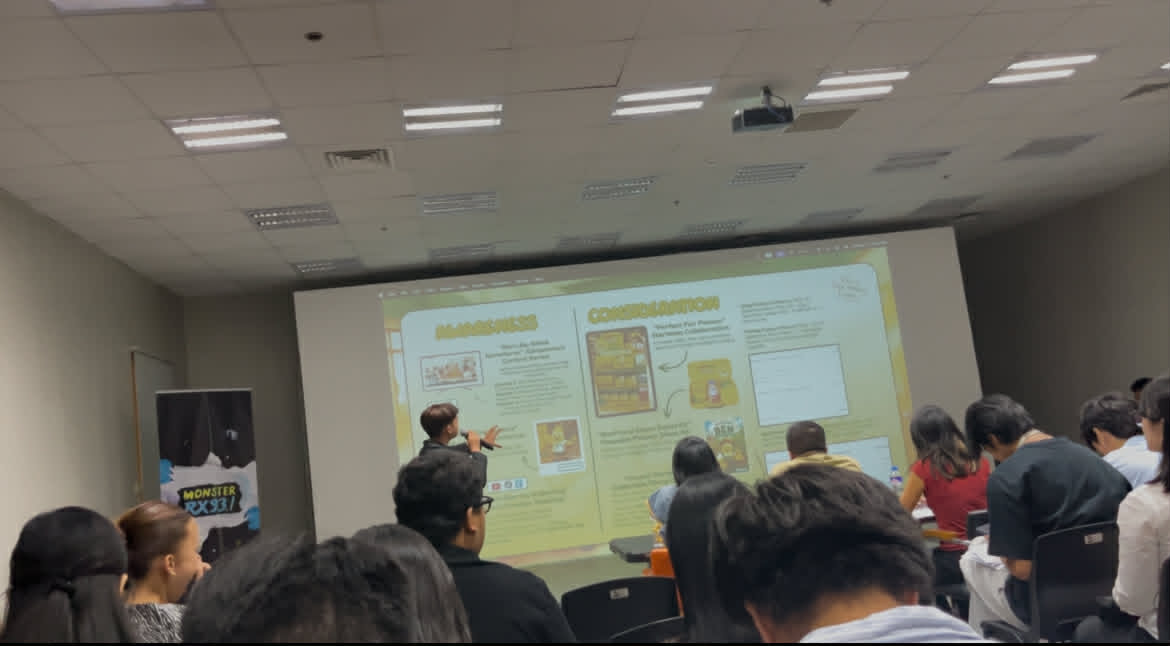
Designed a data-informed, full-funnel 360° IMC strategy for Villa Soccoro Farm, rooted in a simple but high-friction truth: in the Filipino pabaon ritual, mothers choose, but children decide what actually gets eaten. Anchored on the tension of “Untouched Baon Anxiety,” the strategy reframed the multi-million peso children’s snack category not as a product battle against multi national snacks, but as a behavioral system shaped by habit, visibility, and kid-led demand.
Rather than forcing a “healthy switch,” the strategy engineered child-led pull through play, storytelling, and social currency—allowing product truth to validate the choice post-demand. The campaign came alive by executing marketing strategies within a multi-university, cross-functional team, aligning strategy, creative, and channel deployment through iterative builds—ultimately transforming a low-frequency pasalubong brand product into a high-frequency, habit-forming pabaon system designed for both emotional stickiness and commercial scalability.
So we built our campaign around that tension. Not by asking mothers to push harder, but by giving children something to pull toward. By turning a simple pack of banana chips into a character, a story, a daily ritual that lives beyond nutrition labels and into recess moments. We created a world where opening a baunan isn’t just routine, but something to look forward to, where excitement comes first, and goodness follows naturally.
Because in the end, the goal wasn’t just to sell a snack. It was to restore confidence in a mother’s choice, and to make that small act of care—the one packed every morning—something that comes home empty, not because it was ignored, but because it was enjoyed.
Campaign Story
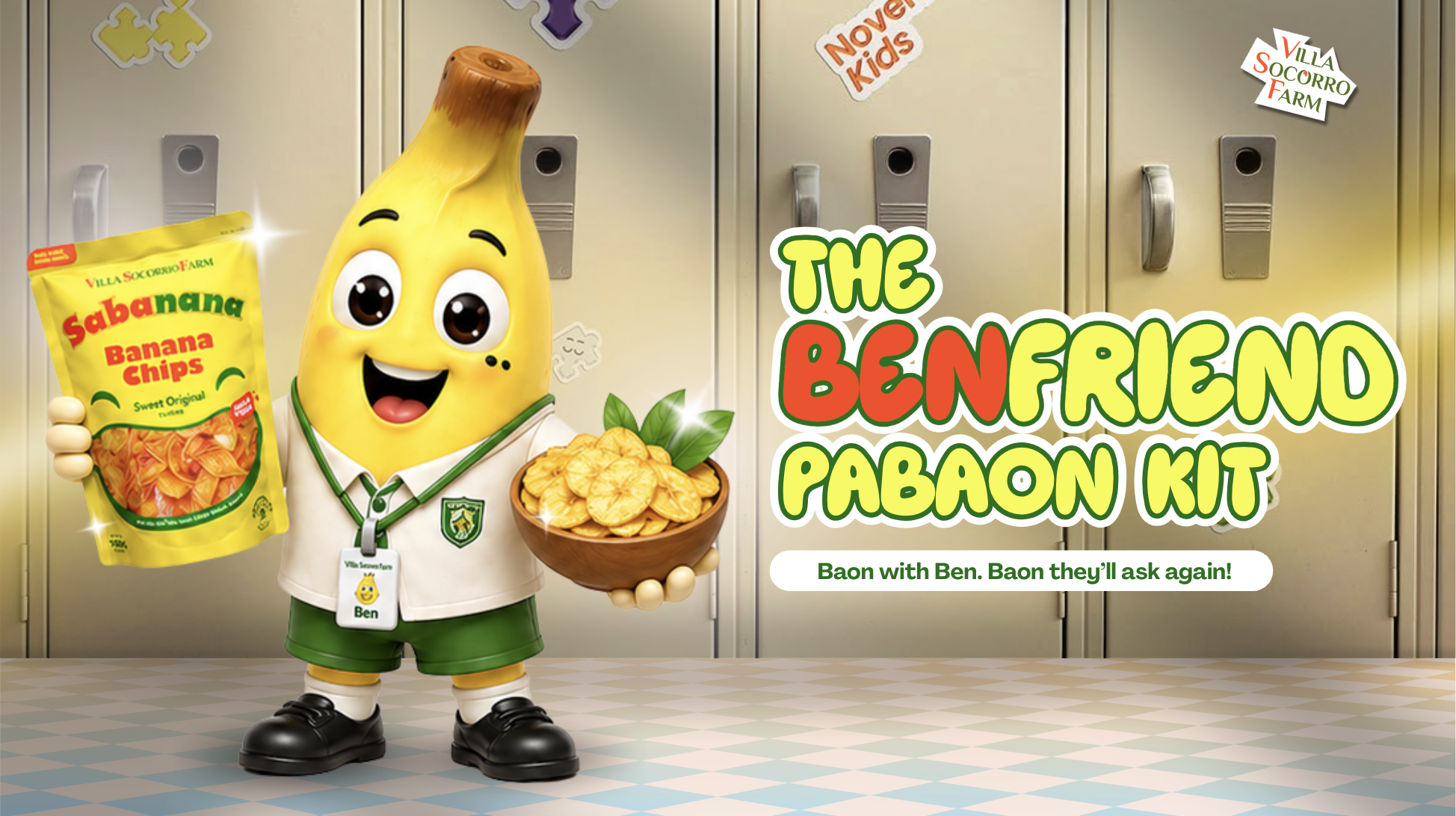
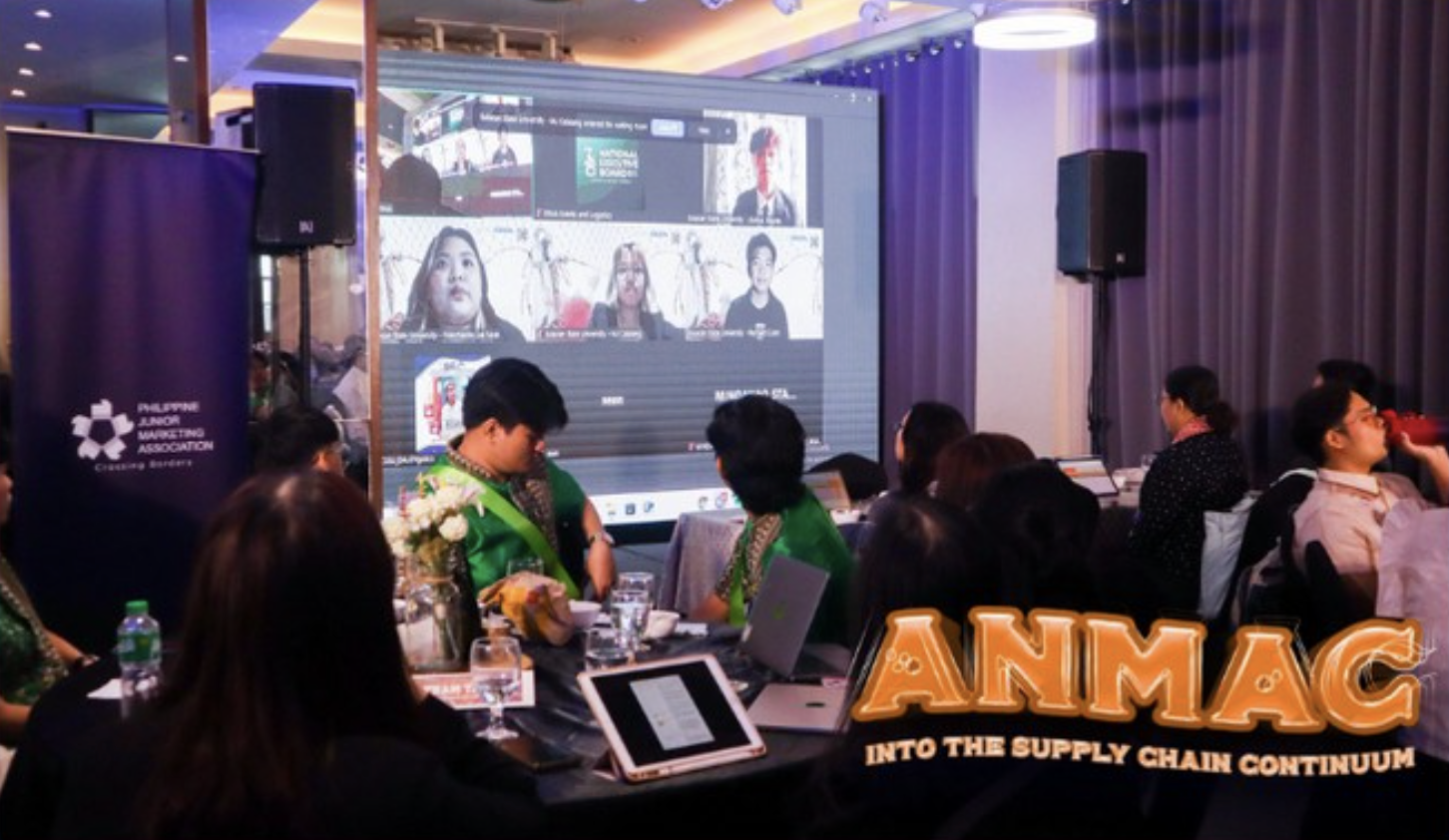
Developed an insight-driven, sustainability-focused marketing strategy for coastal fishing communities, translating lived socioeconomic and environmental challenges—such as marine pollution, rising operational costs, and declining efficiency—into a compelling, human-centered narrative framework. Leveraged ethnographic storytelling and stakeholder mapping to surface the intersection of livelihood vulnerability and ecosystem fragility, repositioning fishermen not just as beneficiaries, but as key actors within a broader sustainability system.
As for generations, local fishermen have been the silent architects of coastal communities, navigating the rhythm of the tides to feed their families and neighbors. What was once a livelihood in harmony with nature now requires ingenuity, resilience, and adaptation to survive. We wanted our marketing plan to do more than just highlight these challenges. We wanted to give their story a voice—the story of fathers, mothers, and youth who wake before dawn, who know the value of the sea but also the fragility of its ecosystem. By connecting their daily struggles with sustainable solutions, our campaign demonstrates how small changes in waste management, energy use, and resource optimization can create big impacts for both the community and the environment. As behind every food that reaches our tables, there’s a story of resilience—a story worth protecting, sustaining, and celebrating.
Campaign Story
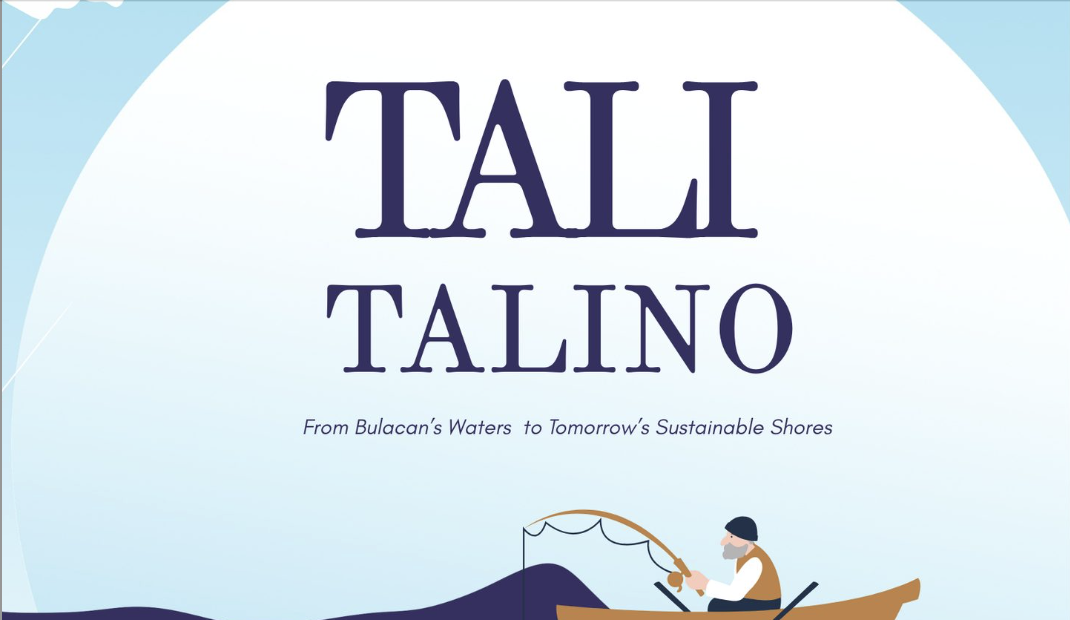
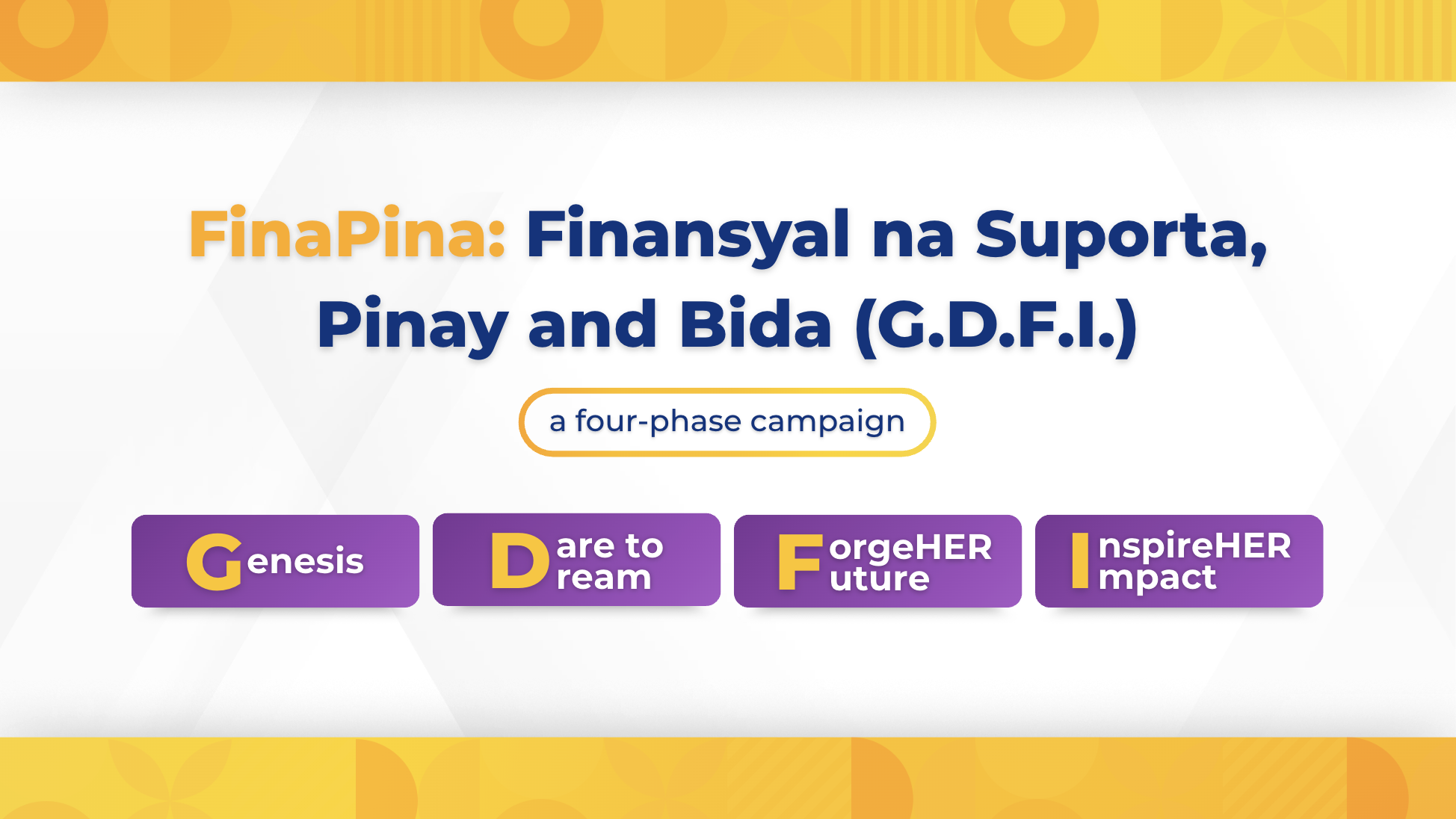
Architected a data-driven, future-ready 360° Integrated Marketing Strategy within the fintech sector, engineered to penetrate and activate the underserved women’s market segment. Leveraged advanced audience segmentation, behavioral analytics, and lifecycle mapping to identify gender-specific financial barriers and engagement triggers.
As for many women, managing money has never just been about numbers—it’s about navigating systems that were not always built with them in mind. From informal budgeting to quietly carrying the weight of household finances, their relationship with money is shaped by resilience, responsibility, and often, limitation.
We didn’t want our campaign to simply invite women into fintech—we wanted to make fintech feel like it was finally built for them. Because behind every sign-up is a story: a mother trying to stretch every peso, a young professional learning to take control of her future, a woman choosing independence in small but powerful ways.
So we designed more than just a marketing strategy. We created pathways—simpler, more intuitive, more human—so that access didn’t feel intimidating, and technology didn’t feel distant. Because financial inclusion isn’t just about lowering costs or increasing reach. It’s about recognizing that when women are given the right tools, they don’t just participate in the economy—they transform it.
Campaign Story
Engineered a subculture-driven, 360° Integrated Marketing Campaign for NESCAFÉ RTD, repositioning the brand from a functional “study aid” to a performance-enhancing asset within the gaming ecosystem. Leveraged cultural systems mapping and behavioral analysis to decode gamer rituals, engagement cycles, and community dynamics—shifting targeting from static segmentation to ecosystem-based participation modeling.
This is a bit of a complicated campaign, we weren’t just entering the gaming space—we analyzed it as stepping into a world that already had its own language, its own rituals, its own rhythm. A world where energy isn’t just physical, but mental. Where every second counts, and every decision can make or break the game.
At first, it was easy to see gamers as just another market. But the more we listened, the more we realized—they weren’t waiting to be marketed to. They were already building something of their own. Inside jokes, shared frustrations, late-night wins, and the quiet rituals that keep them going.
So we stopped trying to insert a message. Instead, we asked: what if the brand could move the way they move? Not as an outsider, but as part of the system. Something that shows up in the same moments they do—when focus sharpens, when stakes rise, when energy matters most.
We let go of control and let the community shape the story. Through memes, through humor, through the small, unplanned moments that spread faster than any ad ever could. And somewhere along the way, the brand stopped feeling like a brand.
It became something they recognized. Something they shared. Something that played the game with them.
Campaign Story
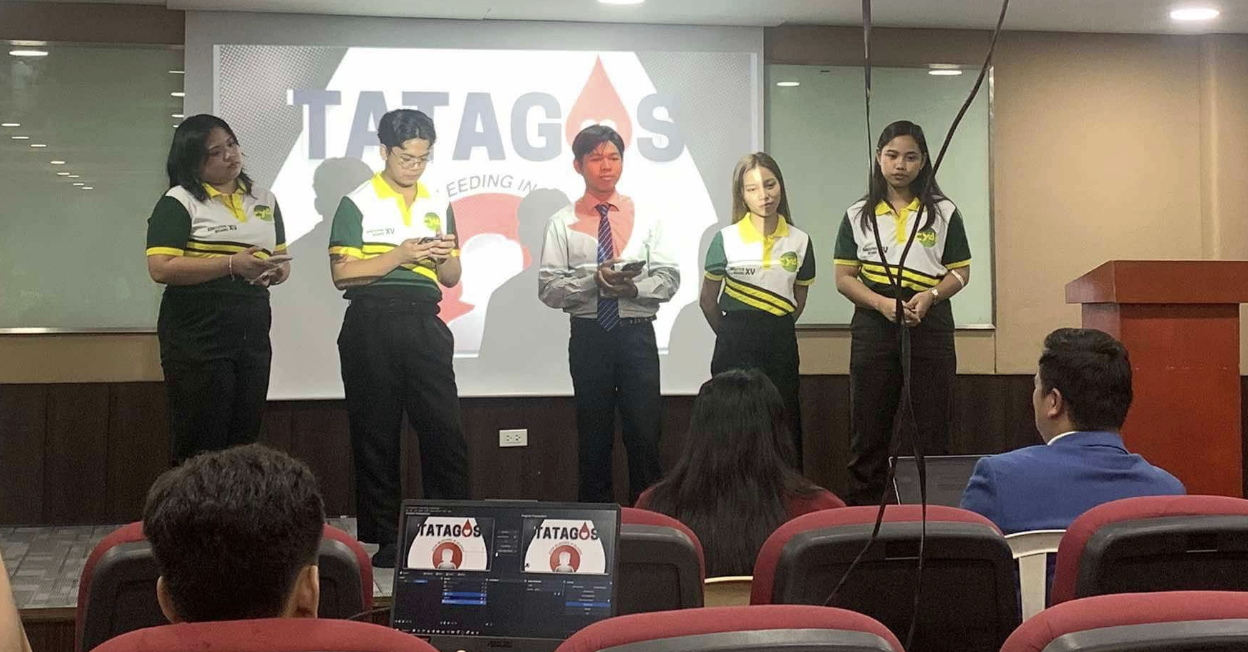
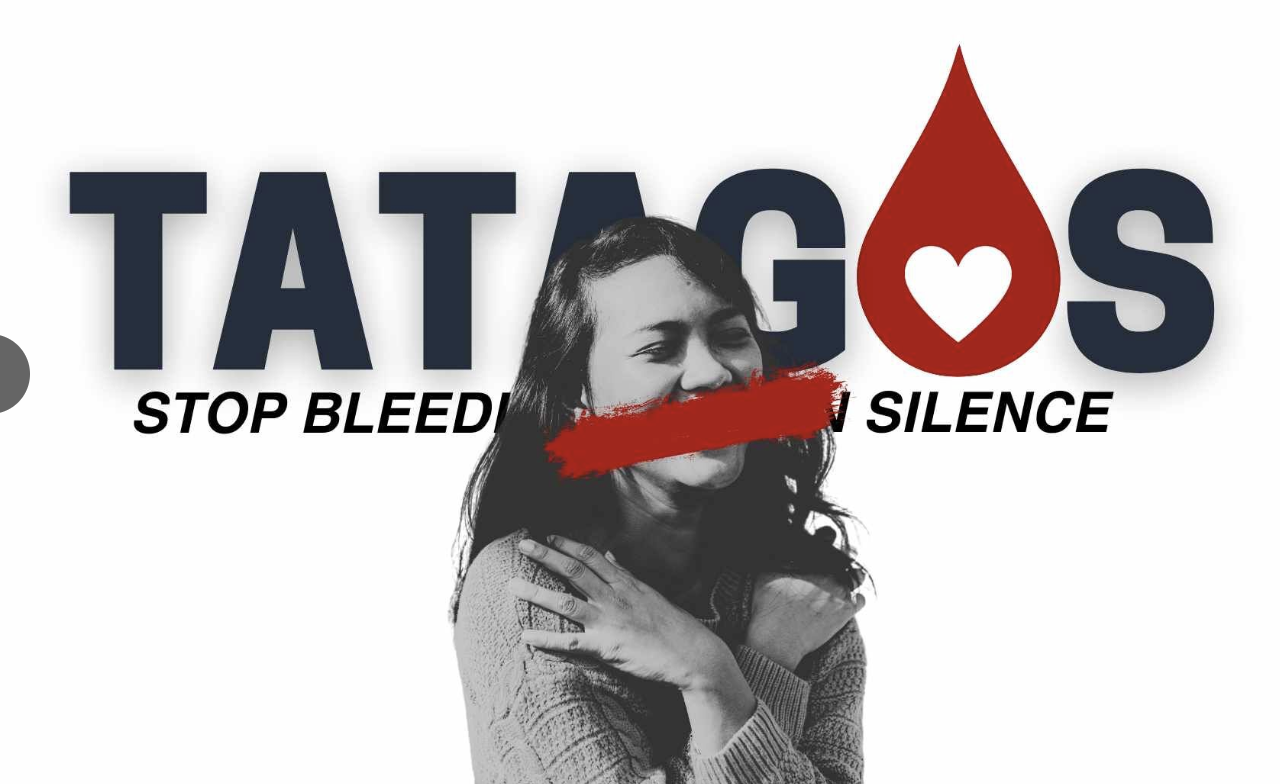
Leveraged synergistic program design to simultaneously address knowledge gaps, psychosocial recovery, and economic reintegration pathways. Operationalized capacity-building mechanisms to strengthen financial autonomy, workforce readiness, and community reintegration outcomes, while embedding resilience-building and safeguarding principles across all touchpoints. Positioned the initiative as a systems-level intervention targeting structural drivers of marginalization through integrated health and empowerment programming.
For many women, survival is not a single moment—it is a cycle shaped by silence, stigma, and systems that often fail to see them fully. Menstrual health is rarely discussed openly, yet it quietly affects dignity, confidence, and access to opportunity. At the same time, for survivors of domestic violence, rebuilding life is not just about safety—it is about rediscovering agency in spaces that once felt out of reach.
We designed this project not as separate interventions, but as connected pathways of healing and empowerment. Because health education alone is not enough if a woman cannot also rebuild her economic independence. And economic training alone is incomplete if her dignity and well-being are not restored.
So we brought these spaces together. We created learning environments where knowledge was not just delivered, but shared safely—where conversations about the body, about work, about worth, could exist without fear or judgment. Where recovery was not treated as an endpoint, but as a process supported through both skills and solidarity.
Because breaking cycles of marginalization is not only about intervention. It is about giving women back the tools to define their own stability, their own confidence, and ultimately, their own futures.
Campaign Story
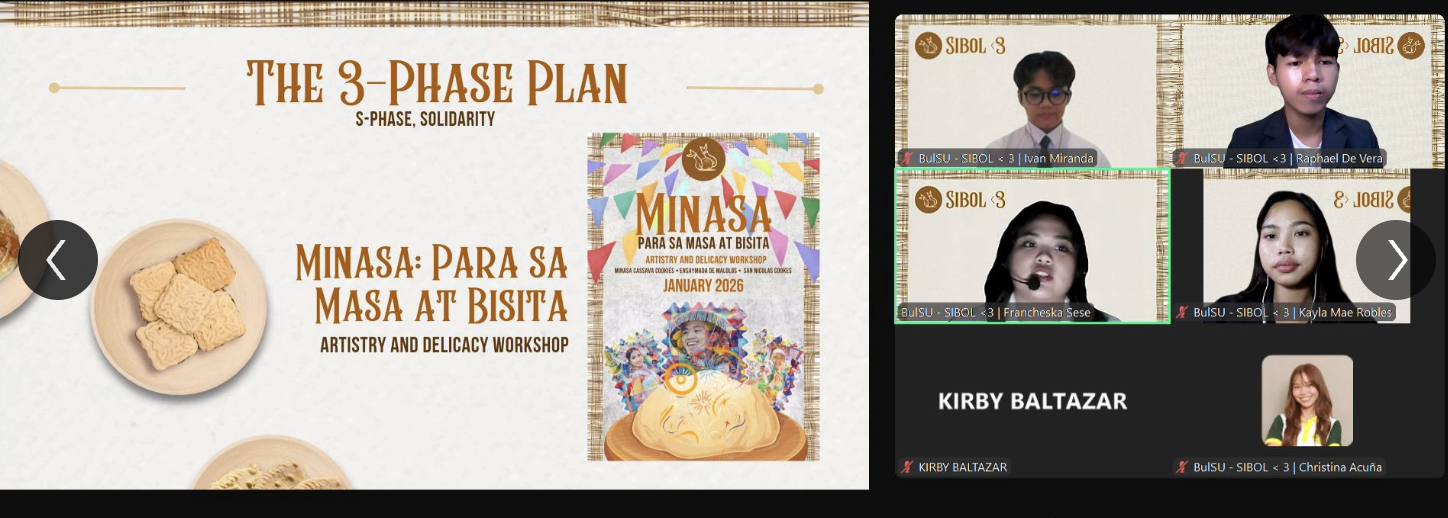
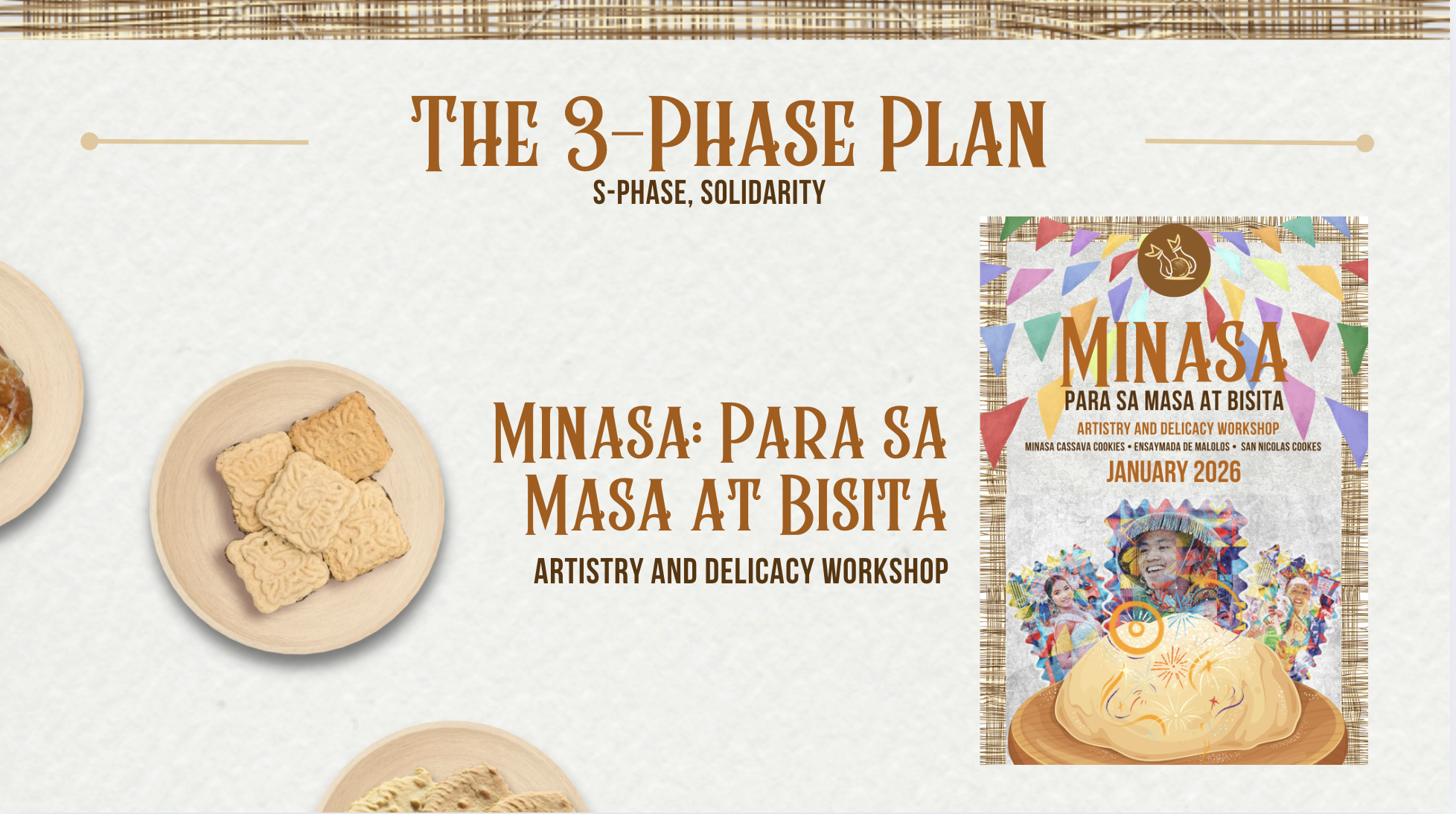
Designed multi-stakeholder marketing interventions aimed at strengthening MSME competitiveness through brand elevation, market expansion, and identity-led positioning. Applied socio-cultural analysis and consumer behavior insights to craft strategies that enhance brand equity, stimulate demand generation, and unlock global market access for Filipino enterprises—ultimately linking cultural preservation with sustainable entrepreneurship and job creation.
For generations, The Filipino market has been shaped by something deeper than trends or systems—it has been shaped by connection. Families building livelihoods together, communities supporting small businesses, and traditions quietly passed down through shared moments of everyday life. These bonds are not just cultural—they are economic in their own way, sustaining resilience long before “strategy” ever defined it.
We wanted to understand what it would mean if these cultural threads were not just preserved, but activated. If heritage was not only something we looked back on, but something that could move us forward.
So we explored how memory, identity, and tradition could live inside business—not as decoration, but as direction. How the famous Minasa rooted in Filipino culture could grow not by abandoning what its known for, but by leaning into it more intentionally, more symbolically, and more visibly on a global stage.
Because behind every Filipino product is more than a brand. It is a story of relationships, of shared effort, of communities that have always known how to build something from very little—and make it last.
Visual language
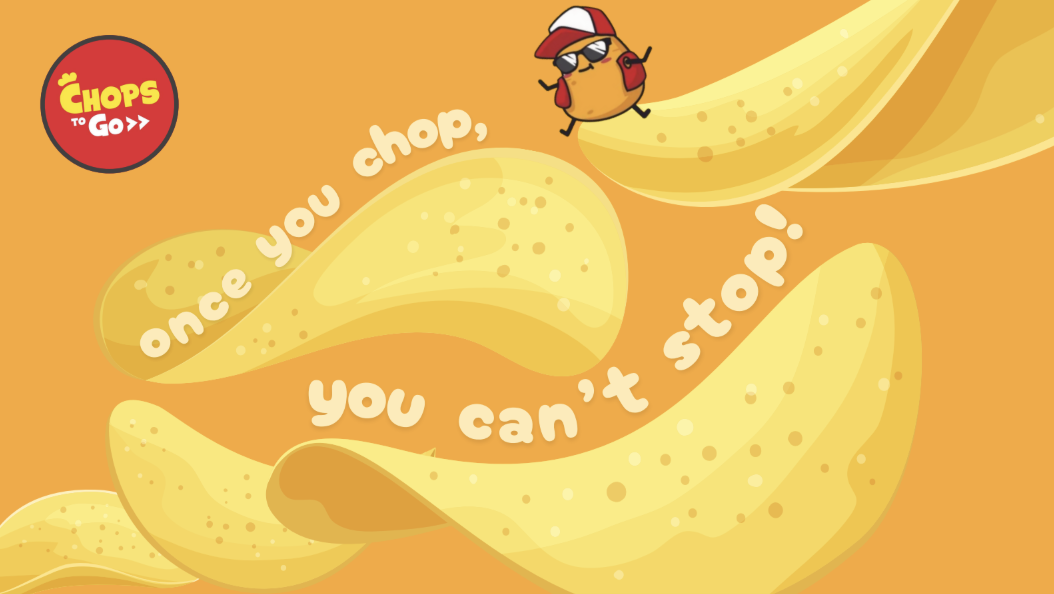
Developed a competitive, sustainability-oriented marketing strategy for SME snack enterprises, leveraging an integrated 360° market approach to enhance brand positioning, operational efficiency, and long-term business viability. Anchored on sustainable business model thinking, aligning on product-market fit with environmentally and economically responsible growth pathways.
Behind every SME snack business is a story of passion—small kitchens, family recipes, and entrepreneurs trying to turn everyday flavors into something that can sustain livelihoods. But passion alone is often not enough. Many of these businesses struggle not because their products lack quality, but because reaching the right market, at the right scale, remains a constant challenge.
We wanted to build something that went beyond promotion. Something that understood the real barriers these entrepreneurs face—not just in selling, but in moving, delivering, and sustaining their products in a competitive landscape.
So we designed a plan that connected growth with responsibility. By working with logistics support through Airspeed, we helped imagine a system where small businesses could think bigger—not just about reaching customers, but about doing so sustainably and efficiently.
Because at the heart of it, SME growth is not just about business expansion. It is about keeping local stories alive—making sure that the snacks we grew up with don’t just survive in the market, but thrive in a way that is responsible, scalable, and built for the future.
Pitch. Play. Disrupt.
More Cases